
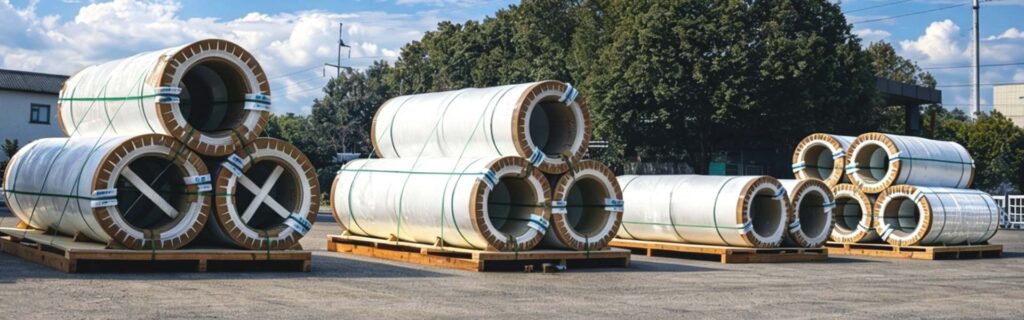
Phenolic Fiberglass Sheets
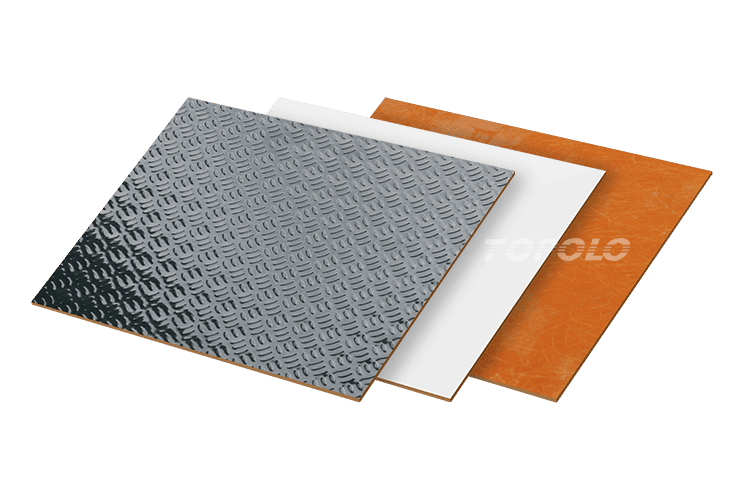
Phenolic fiberglass sheet is a novel composite material produced through a specialized process, utilizing phenolic resin as the matrix and glass fibers as the reinforcing material. Phenolic resin is a common synthetic resin primarily composed of phenols and aldehydes. It possesses excellent properties such as abrasion resistance, thermal stability, electrical insulation, and chemical stability. When combined with glass fiber, phenolic resin forms a composite material that combines the superior flame retardancy and heat resistance of the resin with the high strength and high modulus of the glass fiber. It is widely utilized across various fields, including industry, construction, and electrical engineering.
Product Features
- High Strength and Rigidity
Through the addition of glass fiber reinforcement, the composite material exhibits excellent mechanical properties.
- Heat Resistance
Phenolic resin possesses excellent high-temperature resistance, enabling the composite material to function effectively in high-temperature environments.
- Corrosion Resistance
The composite material demonstrates good resistance to corrosion by a wide range of chemical substances.
- Electrical Insulation
The composite material features excellent electrical insulation properties, making it suitable for applications in the electrical and electronics sectors.
Material Composition
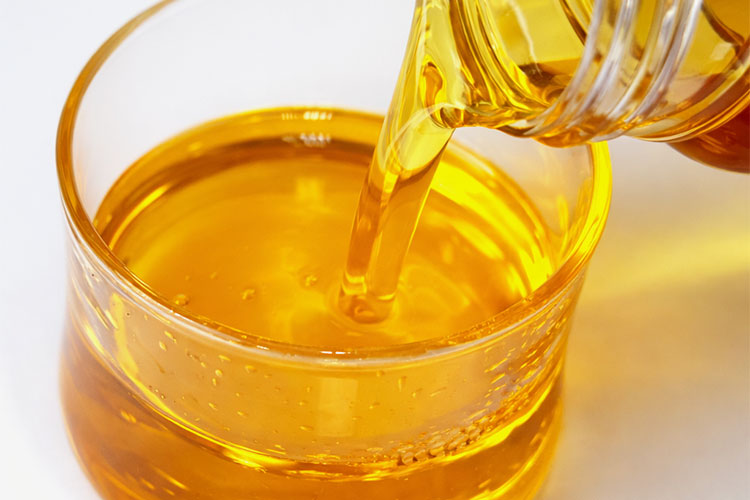
- Base Resin: Phenolic Resin (Thermosetting resin; provides bonding, heat resistance, and flame retardancy).
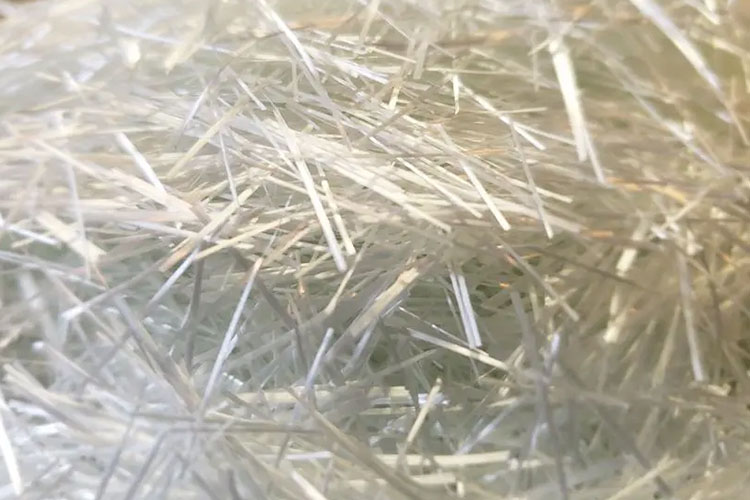
- Reinforcement: Glass Fiber (Continuous fibers, chopped fibers, or glass cloth; provides strength and rigidity).
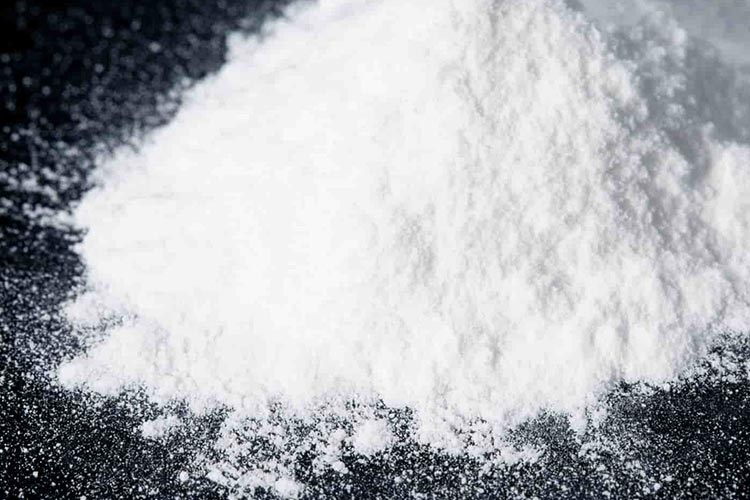
- Additives: Curing agents, accelerators, flame retardants, coupling agents, etc. (Optimize processing and performance).
Typical Specifications (Customizable)
| Item | Specification |
|---|---|
| Thickness | 0.7mm – 5.0mm |
| Size | Coil: 50m – 200m. Sheet: 1220mm x 2440mm or customized. |
| Surface Finish | Smooth / Anti-slip |
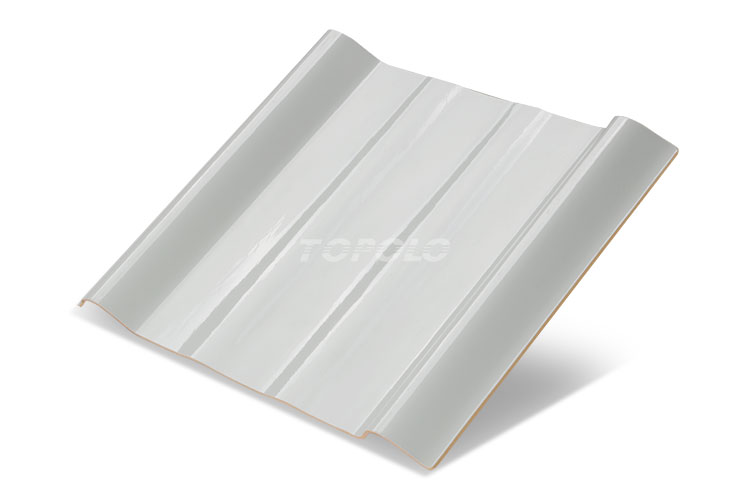
| Shape | Flat / Corrugated |
| Flame Retardancy Rating | B1 / Class A |
Basic Physical Properties
| Item | Specification Range | Test Standard |
|---|---|---|
| Density | 1.4 – 1.9 g/cm³ | ASTM D792 |
| Tensile Strength | 80 – 200 MPa | ASTM D638 |
| Flexural Strength | 120 – 250 MPa | ASTM D790 |
| Compressive Strength | 100 – 300 MPa | ASTM D695 |
| Impact Strength (Charpy) | 8 – 20 kJ/m² | ISO 179 |
| Elastic Modulus | 5 – 15 GPa | ASTM D638 |
| Water Absorption | ≤ 1.0 – 2.0% | ASTM D570 |
Thermophysical Properties
| Item | Specification Range | Test Standard |
|---|---|---|
| Heat Deflection Temperature (HDT) | 120 – 180 ℃ | ASTM D648 |
| Long-Term Service Temperature | 120 – 150 ℃ | — |
| Short-Term Heat Resistance | 180 – 250 ℃ | — |
| Thermal Expansion Coefficient | 2 – 5 ×10⁻⁵ /K | ASTM E831 |
| Thermal Conductivity | 0.2 – 0.4 W/m·K | ASTM C177 |
Common Types of Phenolic Fiberglass Sheets

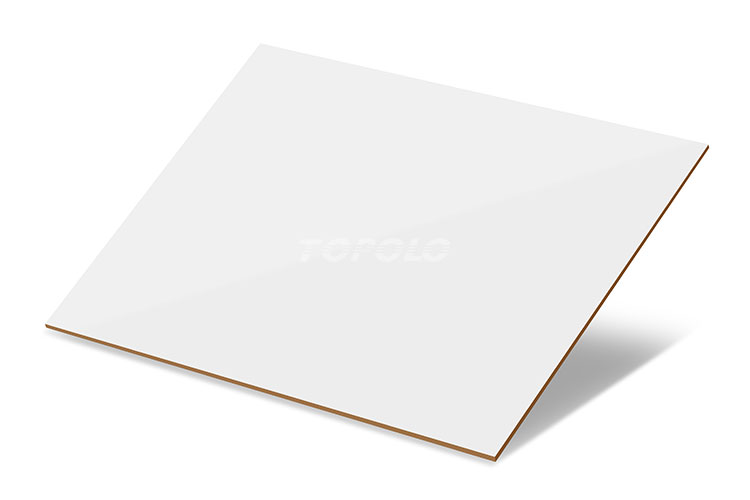
Gel-Coated Sheets
A layer of gel coat applied on the surface, providing a smooth finish and improved appearance and weather resistance.
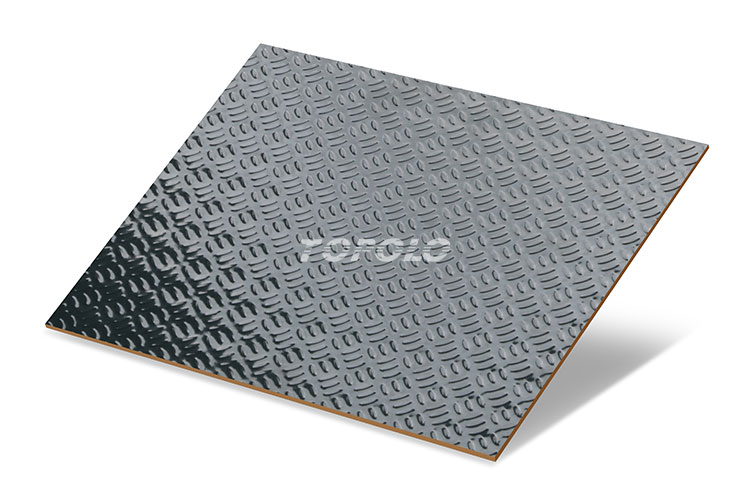
Anti-Slip Sheets
The surface is embossed with anti-slip textures, mainly used for flooring applications.
Notes
- Phenolic resins and additives may contain hazardous substances; therefore, appropriate safety protocols must be observed—such as wearing protective gloves and eyewear, and maintaining a well-ventilated work environment.
- During use, prolonged contact with high-temperature objects should be avoided to prevent compromising the performance properties of the composite material.
- Discarded phenolic fiberglass composite materials must be properly processed and disposed of in accordance with local environmental regulations.
Typical Applications
🚆 Transportation
- Train Interior Panels.
- Subway Car Panels.
- Marine Interior Panels.
🏭 Industrial
- Chemical Equipment Liners.
- Factory Wall Panels or Roofing (Corrugated Sheets).
🏢 Industrial
- Fire-Resistant Partitions.
- Tunnel Wall Panels.
- Public Building Interiors.
⚡ Specialized Fields
- Electrical Insulation Panels.
- Laboratory Furniture.