


Home » Sandwich Panels » PET Foam Core Panel Series
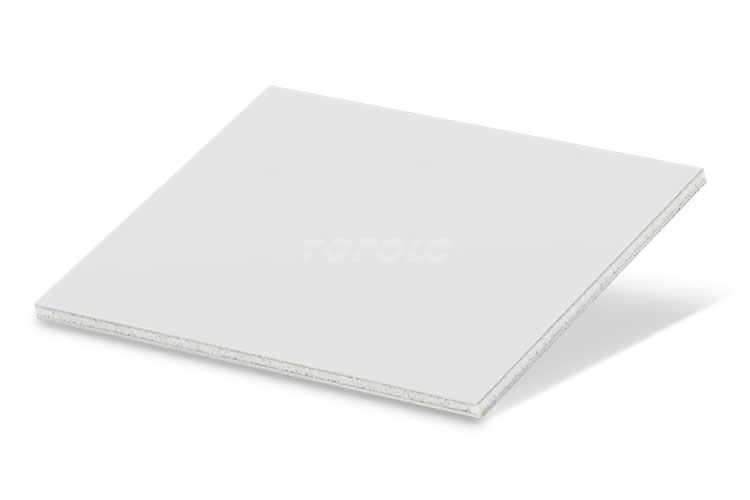
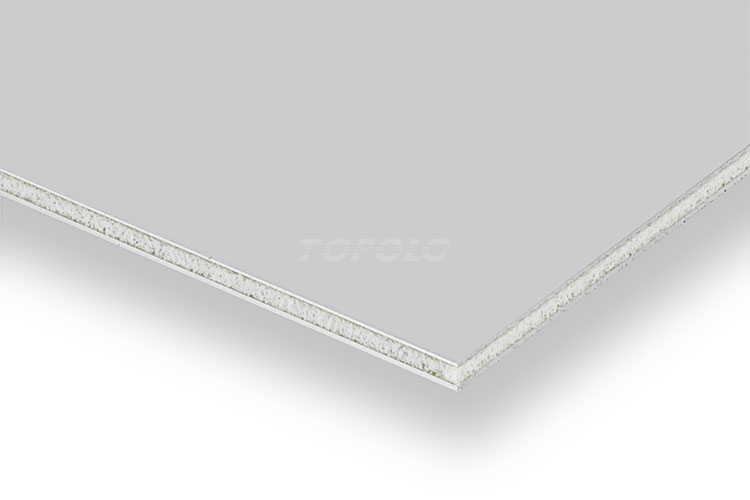
Specifications
- Size: Customized.
- Thickness: 3.0-10mm.
- Area weight: kg/m².
- Skin material: 5051/5051 aluminum alloy sheet.
- Core material: PET (polyethylene terephthalate) foam. (Density: 100kg/m³)
DESCRIPTION

Material Requirements for Solar Backsheets
As a critical structural layer of photovoltaic modules, solar backsheets are exposed to long-term outdoor environments and therefore require materials with reliable and stable performance.
- High structural rigidity
Providing stable support for PV modules and preventing deformation during transportation, installation, and long-term operation.
- Lightweight design
Reducing overall module weight to lower installation loads and improve installation efficiency, especially for rooftop and distributed PV systems.
- Excellent weather resistance
Long-term resistance to UV radiation, temperature cycling, humidity, and heat, ensuring stable performance over a service life of more than 25 years.
- Good dimensional stability
Maintaining shape and flatness under temperature variations without warping or cracking.
- Environmental friendliness and recyclability
Aligning with the sustainability requirements of the renewable energy industry through recyclable and eco-friendly materials.
Solar Panel Structural Diagram
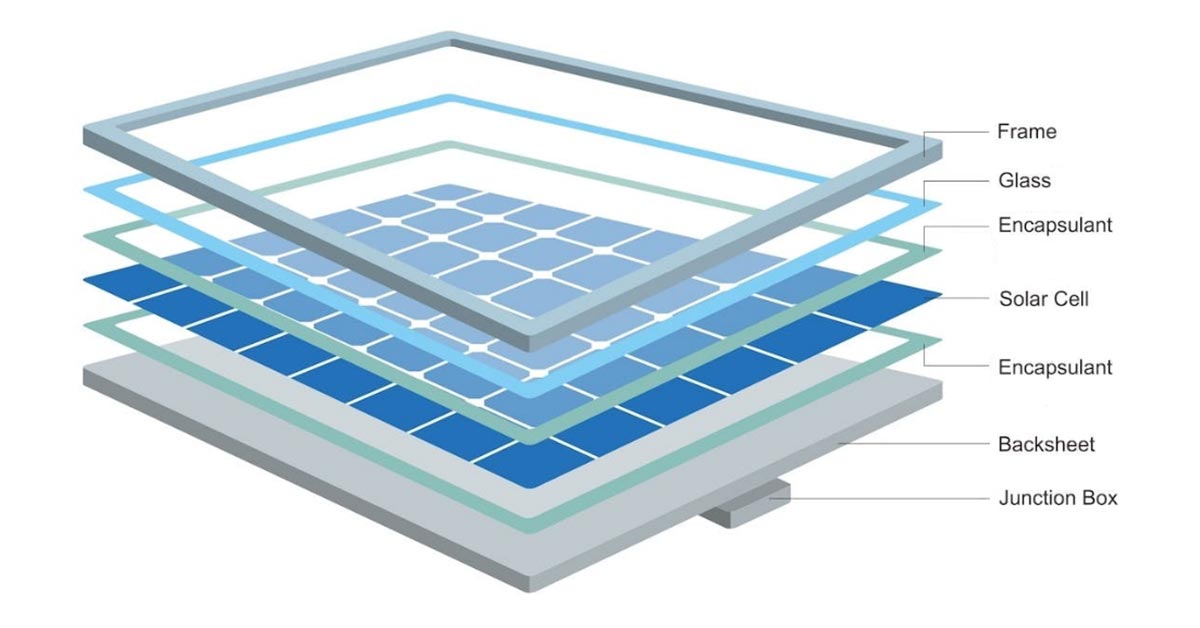
Solar Backsheet Structural Diagram

Advantages of PET Foam Core Aluminum Sandwich Panels for Solar Backsheets
- The sandwich structure formed by aluminum skins and a PET foam core provides excellent bending stiffness and enhances the overall mechanical strength of PV modules.
- Achieves significant weight reduction while maintaining high strength, enabling lightweight solar module designs.
- Aluminum face sheets offer strong resistance to UV exposure and corrosion, while the PET foam core demonstrates excellent durability under humid and thermal cycling conditions.
- Both aluminum and PET materials are recyclable, supporting sustainable manufacturing and green energy development.
- Suitable for cutting, drilling, bonding, and other processing methods, allowing easy integration into existing photovoltaic module structures.