With the rapid growth of global logistics, e-commerce, cold chain transport, and specialty vehicle markets, the demand for box-body trucks and trailers continues to rise. Faced with high order volumes and requirements for rapid delivery, traditional production models relying on manual on-site assembly are encountering increasing challenges.
Current Challenges in Box Body Manufacturing
01. Long Production Cycles and Difficulty Meeting Market Demand
The growing demand for box bodies requires manufacturers to deliver large numbers of vehicles within shorter lead times. However, traditional manufacturing processes depend on extensive on-site fabrication, welding, and manual assembly, making it difficult to quickly increase production capacity.
02. Shortage of Skilled Workers and Inconsistent Quality
Box body manufacturing involves multiple processes, including welding, panel assembly, and sealing. These processes often require experienced workers. A shortage of skilled labor can lead to lower productivity, inconsistent product quality, and increased rework costs.
03. High Factory Costs Limiting Expansion
Traditional manufacturing requires large production facilities for material processing, component storage, and complete vehicle assembly. With rising industrial land and facility costs, expanding production capacity requires significant additional investment.
What Is Box Body Modularization?

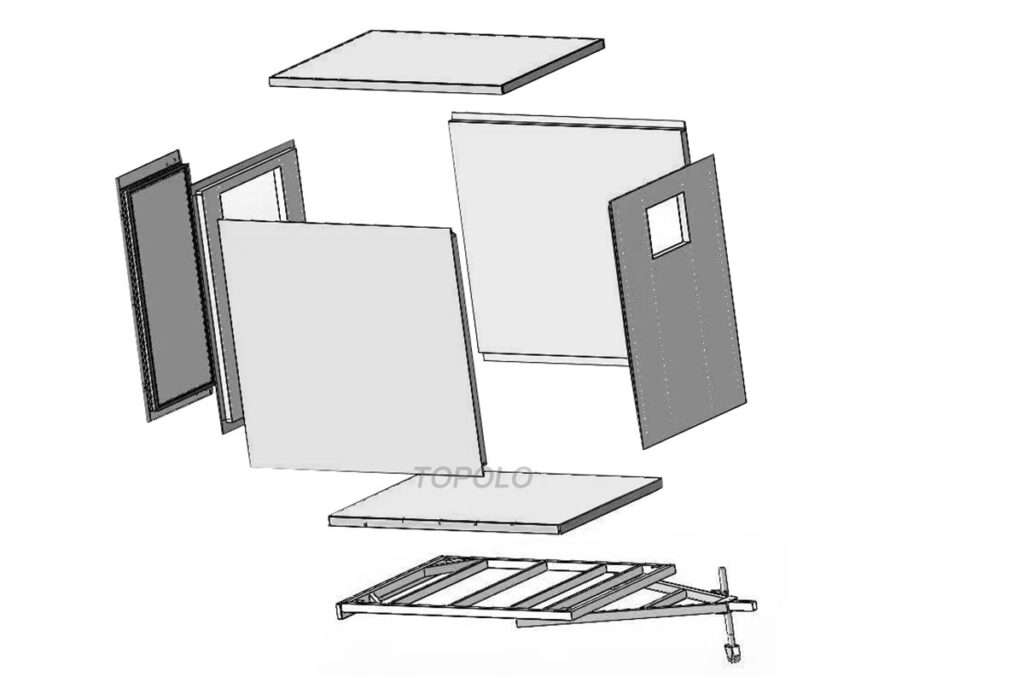
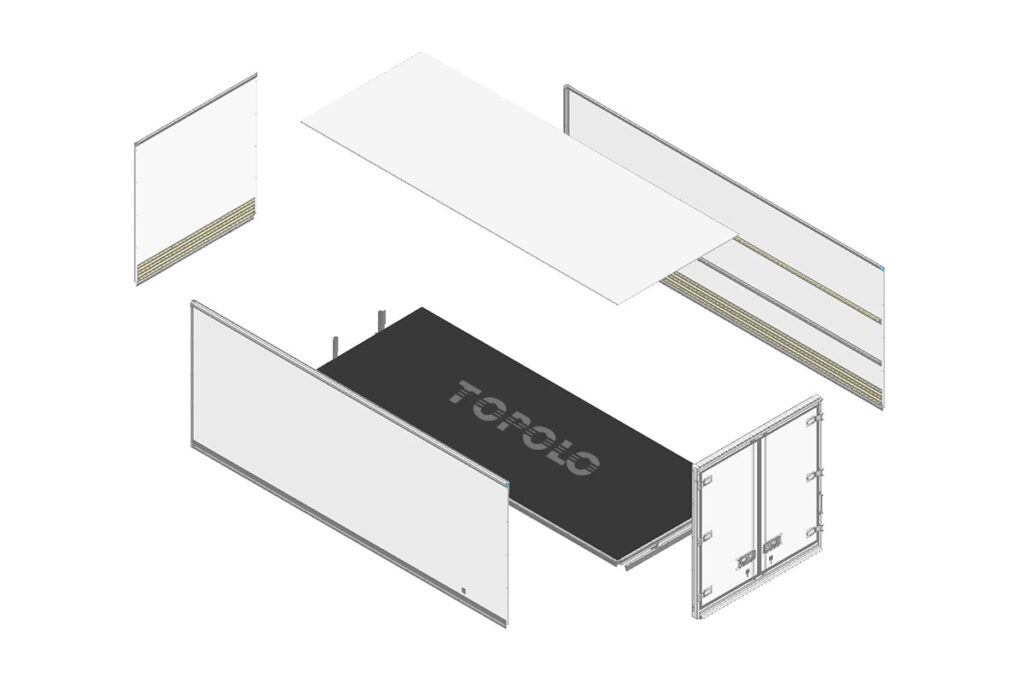
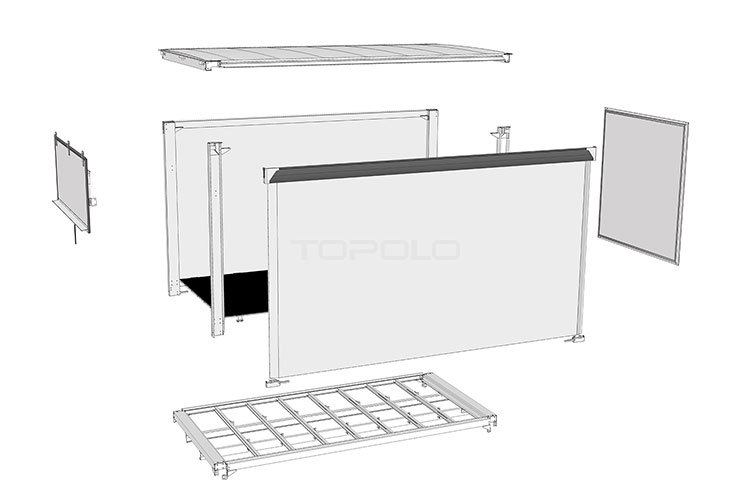
- Box body modularization is an industrialized prefabrication and assembly system that transforms the traditional manufacturing approach of fully welding and fabricating the entire box body in one workshop.
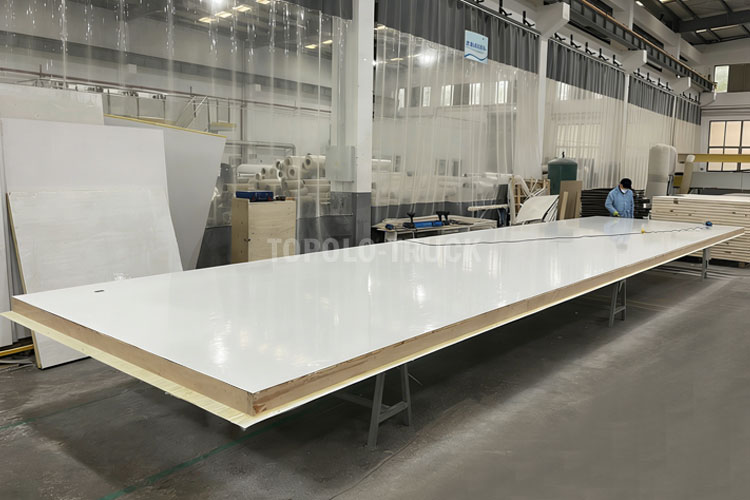
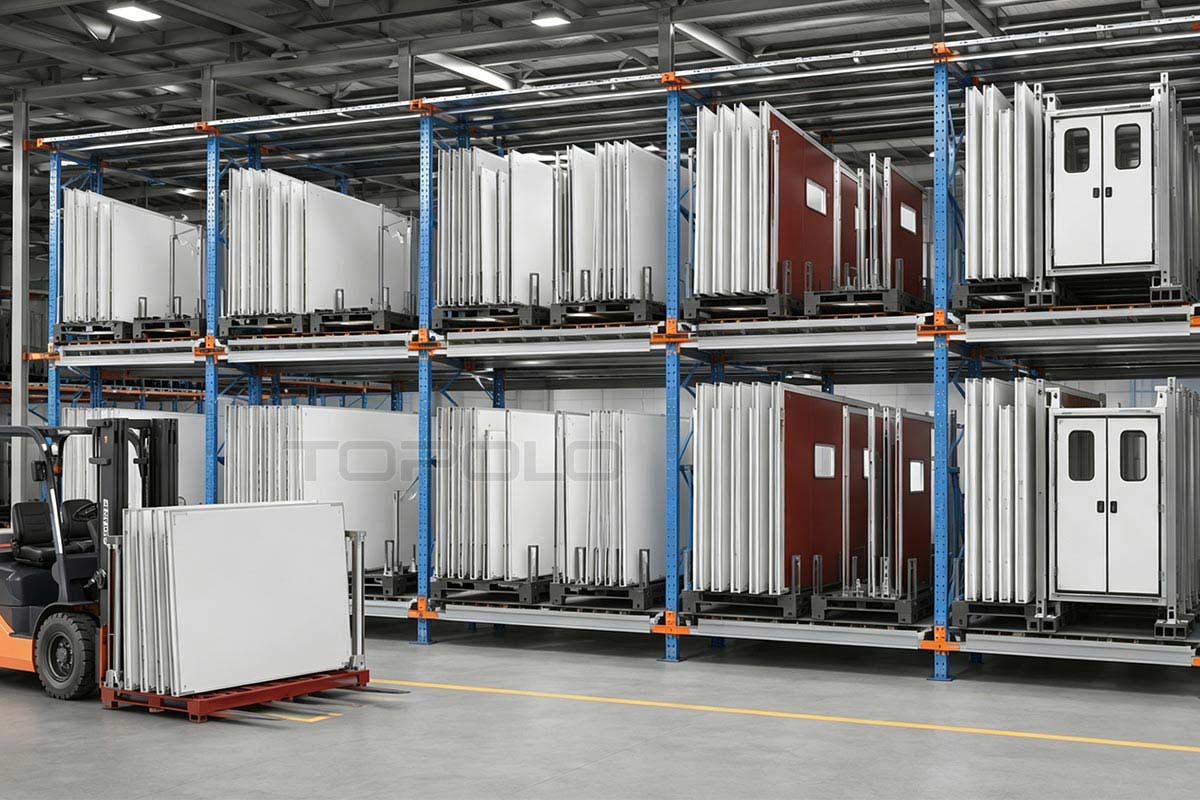
- Instead, the box body is divided into standardized independent modules, including the floor frame, side panels, roof panels, door assemblies, sealing components, and connection profiles.
- These modules are prefabricated and quality-inspected in the factory, then packaged and delivered as knocked-down parts or semi-assembled units. After arriving at the assembly site, the modules are quickly assembled through standardized interfaces using bolts and dedicated sealing systems.
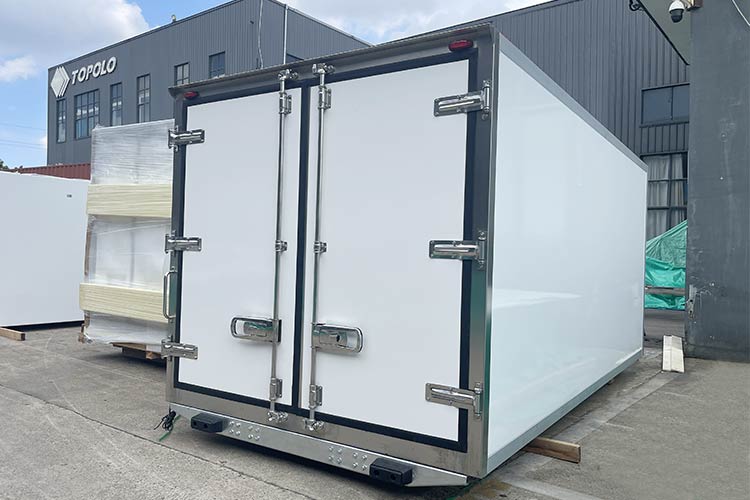
- Without the need for on-site welding, the entire process enables rapid transformation from individual components into a complete box body, significantly improving production efficiency, quality consistency, and scalability.
Comprehensive Industrial Transformation Driven by Modularization
☑ Lowering Skill Requirements for Assembly Personnel
Eliminates reliance on veteran welders and specialized assembly technicians. Standardized prefabricated modules feature built-in positioning structures and straightforward assembly procedures; general workers can start operations after brief training, effectively addressing the shortage of skilled labor.
☑ Drastically Shortening Assembly Cycles
Eliminates complex welding and grinding processes, requiring only joining, sealing, and fastening on-site. For units of the same specification, assembly time is reduced by over 50% compared to traditional methods, enabling rapid scheduling and delivery of large-volume orders.
☑ Ensuring Consistent and Controllable Product Quality
Core modules are prefabricated in standardized factories using uniform materials, processes, and inspection standards, thereby avoiding errors, leaks, and deformations associated with manual on-site welding. The resulting units offer superior consistency in sealing, thermal insulation, and structural integrity, significantly reducing the need for post-sales rework.
☑ Significantly Reducing Site Space Requirements
Eliminates the need for large-scale welding lines, expansive final assembly stations, and heavy lifting equipment. Assembly can be performed in small-to-medium-sized facilities, saving enterprises from heavy capital investment in plant expansion; furthermore, storing components requires far less space than finished units, allowing for more efficient use of site resources.
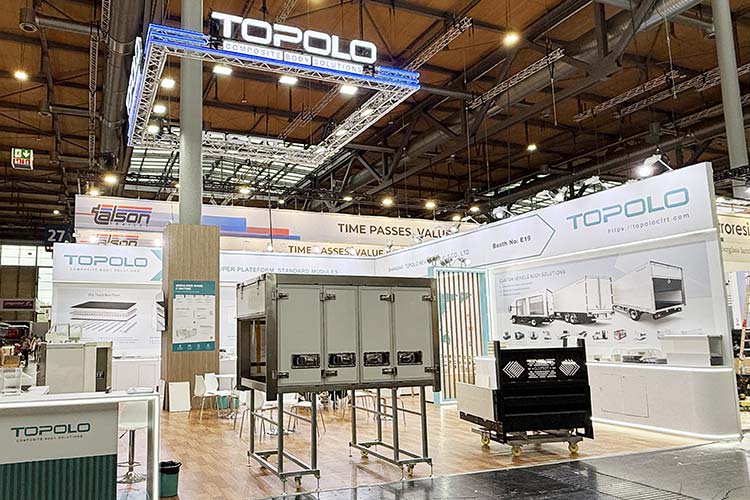
TOPOLOGROUP Modular Body Solutions
TOPOLOGROUP pioneered the development of comprehensive modular box body manufacturing solutions in China, offering vehicle manufacturers worldwide high-efficiency, cost-effective solutions based on standardized designs. For the cold chain industry, our modular body systems comply with relevant standards such as ATP (international regulations for the transport of perishable foodstuffs) and HACCP (food safety management systems). To date, we have assisted thousands of vehicle manufacturers globally in achieving scaled production and enhancing their competitive edge in local markets.
Leveraging this system, enterprises can flexibly choose from three delivery options: CKD, SKD, and CBU.
CKD (Completely Knocked Down)
All components are fully disassembled and shipped as loose parts (such as panels and profiles), with complete assembly performed at the customer’s site.
SKD (Semi Knocked Down)
Certain panels and frames are pre-assembled into major sub-assemblies to reduce on-site work, balancing transport efficiency with assembly complexity.
CBU (Completely Built Up)
Fully assembled and tested at the factory, the finished unit is delivered ready for use, meeting the needs of urgent, short-term orders.