
As an advanced lightweight composite material, Lightweight Reinforced Thermoplastic (LWRT) is increasingly being adopted in interior applications. It offers an excellent combination of aesthetic flexibility, cost efficiency, and manufacturing productivity, making it a promising solution for modern interior design and modular construction. Such as:
- Hotel rooms
- Motels
- Modular apartments / mobile housing units
- Recreational vehicles (RVs) and camper vans
- Capsule houses / compact living spaces
- Portable toilet cabins, etc.
DESCRIPTION
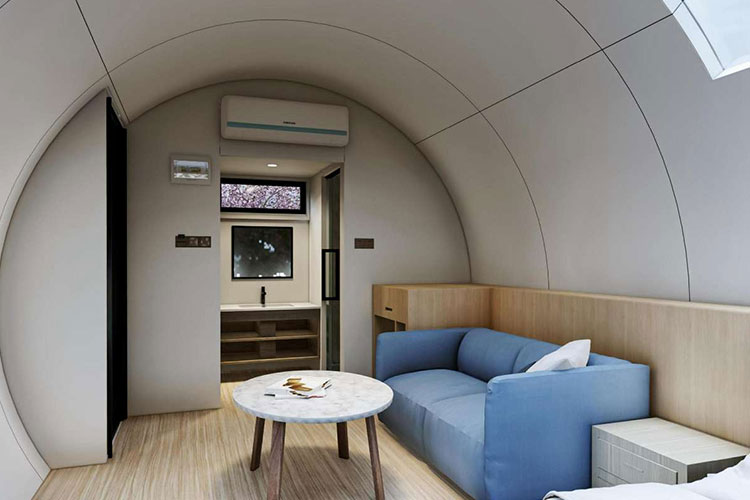

Typical Applications
- Wall panels and decorative cladding systems.
- Ceiling panels and headliner-style structures.
- Partition walls for modular spaces.
- Cabinet backing panels and furniture substrates.
- Bathroom wall panels and wet-area enclosures.
- Integrated storage units and lightweight furniture components.
- Acoustic panels for noise reduction in indoor environments.
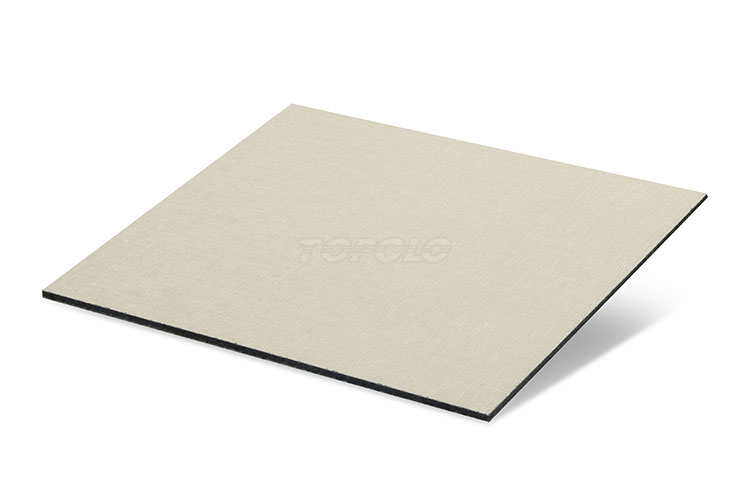
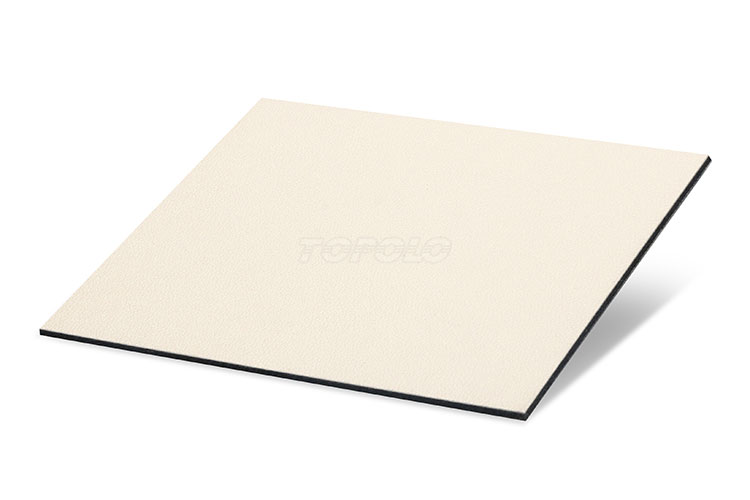
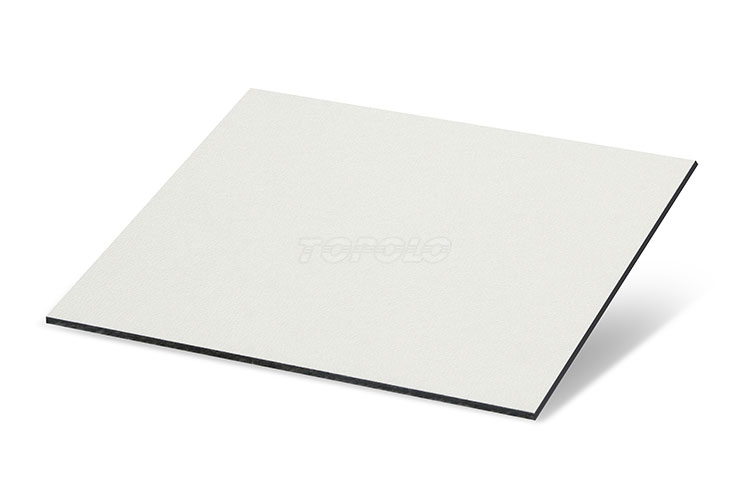
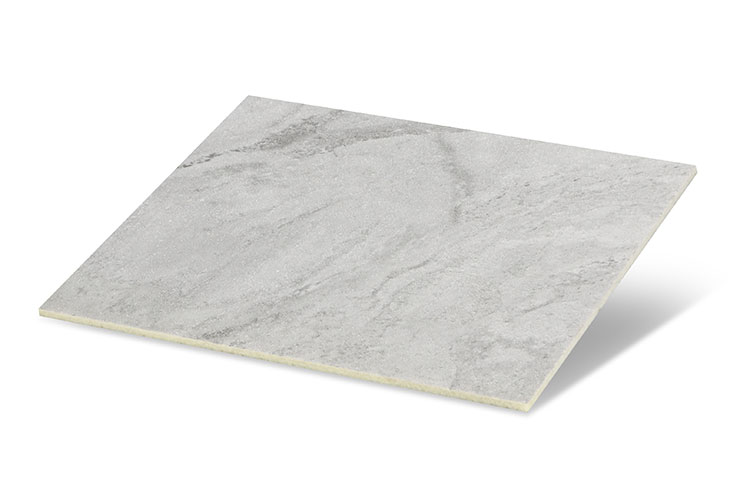
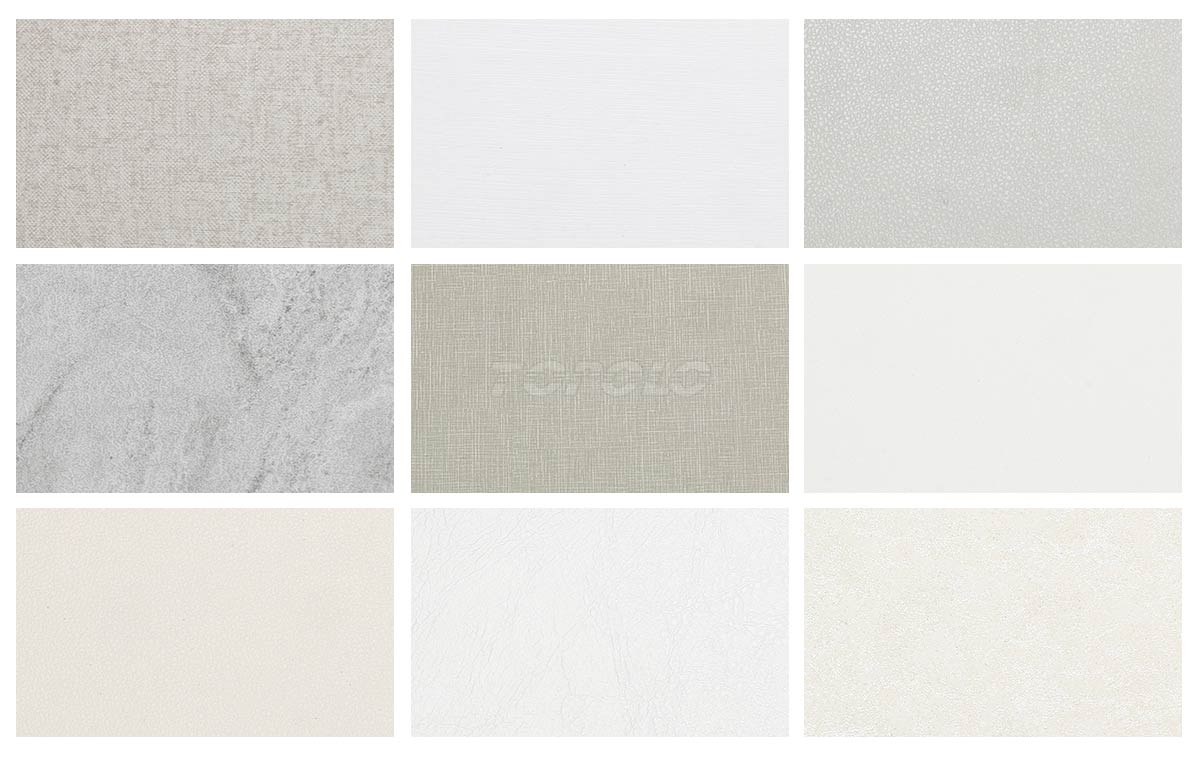
LWRT Surface Pattern
Structural diagram

Product Features
- Lightweight
Low density, reducing weight by approximately 20%–40% compared to traditional fiberglass substrates, contributing to overall vehicle weight reduction, lower fuel consumption, or improved range for new energy vehicles.
- Excellent Mechanical Properties
High bending strength, impact resistance, and dimensional stability.
- Durability
Resistant to water absorption and mold growth, resistant to damp heat, and more stable than traditional foaming systems.
- Good Molding Performance
Can be hot-pressed into complex curved surfaces in one step.
- Noise Reduction and Sound Absorption
LWRT material has a porous structure, providing excellent absorption of mid-to-high frequency noise.
- Environmentally Friendly and Recyclable
LWRT material is recyclable and has low VOC emissions during production.
Specifications
| Materials | PP(polypropylene) + glass fiber |
| Weight | 850-2500gsm |
| Width | 300-3000mm |
| Thickness | 2.0-5.0mm |
| Color | Black White, brown, grey, etc. |
Performance Comparison
| g/m2 | Sheet Thickness | Heating expansion thickness | Formable thickness (excluding covering layer) | Bending strength (sample: 50mm wide and 4.5mm thick) | |
| MD | TD | ||||
| 850 | 2mm | 6mm | 2~5mm | 10N | 8N |
| 950 | 2mm | 8mm | 2~5mm | 12N | 10N |
| 1050 | 2.2mm | 10mm | 2.5~6mm | 15N | 12N |
| 1100 | 2.6mm | 10mm | 2.5~6mm | 20N | 15N |
| 1200 | 2.8mm | 10mm | 2.5~6mm | 25N | 16N |
| 1500 | 3mm | 12mm | 2.5~7mm | 40N | 25N |
| 1800 | 3.5mm | 12mm | 2.5~8mm | 55N | 3ON |
| 2100 | 4mm | 15mm | 3~8mm | 75N | 50N |
| 2500 | 5mm | 15mm | 4-8mm | 100N | 65N |